

The Future of Medicine
We can see two major currents in how medicine is presently developing. On the one hand we have the technological, material approach of most of western medicine, primarily using chemical drugs, surgery, and radiation to create changes in the body to relieve physical and psychological symptoms and diseases. As science advances, and with the increasing use of AI, this side of medicine will continue to develop over the next 50 years and beyond.
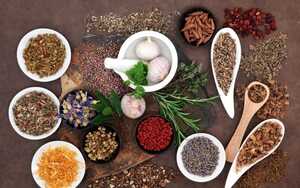
And on the other hand we have the holistic approach of seeing how our daily food, lifestyle, emotions and thoughts are the major causes of disease, leading to many complementary forms of medicine working to change these causes to bring relief from illness. Since I started studying macrobiotics and Oriental medicine 46 years ago, there has been an explosion in people using yoga, acupuncture, dietary changes and many other approaches to bring about healing.
A yang more physical approach and a yin more holistic approach. You could also say a more masculine technological approach – which drug or machine to use - and a more feminine intuitive, nourishing and supportive approach – what is happening in this person’s emotions and life, what healing food, touch or teas can help them?
As always in life, it’s great to use a balance of yin and yang, both approaches have their strengths, and their weaknesses. While western medicine can be life-saving and effective with acute problems, until recently it has given little attention to the actual causes of disease, which is mostly our daily way of thinking, feeling and living. Thankfully it is now researching this, and finding that our daily food, sleep, exercise and emotional health are the primarily determinates of disease. More on this below.
On the complementary side, many people are now looking for alternatives to a drug based approach to illness, partly recognising how all drugs have side effects (or you could say have harmful effects on health). And I think increasingly many people feel that food and lifestyle and physical and energetic imbalances are major causes of poor health, and so are attracted to approaches working to change these.
Fundamental differences in yin and yang approaches
Who takes responsibility?
With western medicine we generally go to the experts to tell us what we need to do, and what needs to happen. We place our trust in them to make the right choices of treatment. This makes a lot of sense if we don’t know what is going on with our health, it’s good to ask those who know more! However we are giving up most of our own judgement and decision making.
In general complementary approaches encourage clients to look into how their lifestyle, work, posture, food, emotions etc. have contributed to their current problem, and advise on making beneficial changes. This firmly gives the client self-responsibility in their healing process. This means making more effort to make changes, learn new ways of preparing meals, exercising, meditating and so on. But the rewards are feeling more in control of one’s own health and life, and the joy of learning more and more about how to take care of one’s own health, and pro-actively keeping oneself well in future years.
Heal one problem or many?
Western medicine with its yang approach, focuses on curing or at least alleviating a patient’s problem, and bringing the person back to health, that is without this particular problem.
Interestingly a holistic approach to a health problem, looking at how to rebalance functions and energies within the body and guide a client towards a healthier way of eating and living, may well heal a particular problem, but at the same time raises the overall level of a person’s health. This means that other health problems may clear up, and also the person is less likely to develop other illnesses in the future. What a bonus!
This is so fundamentally different, in the first case a person’s illness may improve, but their overall health may still be declining, so they are ever becoming more likely to develop a whole range of illnesses. In the second case, every step a person takes to improve their health will lead to less future health problems, and more energy, emotional positivity and enjoyment in life!
One example of this is the use of statins to lower ‘bad’ Low Density Cholesterol to prevent heart disease. This may be helpful for the heart, but does not prevent other harmful effects of eating fat rich meat and dairy foods. For example a high meat diet greatly increases the chances of developing cancer in the large intestine. An holistic approach to heart disease is to greatly reduce eating the meat and dairy, and replace these with plant proteins from beans, lentils, tofu and tempeh, and with non-fatty white fish. This is very helpful in reducing heart problems, AND reducing your chances of developing large intestinal cancer, and many other problems associated with eating a high meat and animal fat diet.
How many side effects?
One of the greatest differences is that western treatments have many side effects, which is a bit of a euphemism for saying they do harm to our system, that is they create further illness. All drugs, including vaccinations, have such side effects for many of the people taking them, often mild, but in a small number of cases they can be serious or even life threatening.
This harm may be outweighed by the benefits of taking a drug, in which case it can make good sense to use it. But what if it could be avoided altogether? This is often possible with using more complementary medical approaches. Body treatments, eating more healthily, taking exercise, getting more emotional support rarely has side effects.
How much does it cost?
At times we need western medicine, and thank goodness it is there in these times. However it is generally a very expensive approach to health with drug research, machines, hospitals and lots of staff costing hundreds of billions just in one industrialised country. Contrast this with a holistic approach – going home and changing one’s food, practicing some yoga or other form of exercise, paying attention to one’s emotional life, getting more sleep, and learning how to decrease stress. All this costs practically nothing! Maybe a few classes, a visit to a complementary practitioner to get some guidance on a healing plan, paying for a swim.
In UK the spending on health is currently £242 billion a year, that’s 19% of government total spend. So collectively a fifth of all the taxes we pay goes on health care. That’s a lot! But really no surprise, as the current medical approach is mainly – wait for people to become ill, then spend lots of money trying to get them well again. A completely illogical, and very expensive approach! And there’s never enough money, this health system needs 20% more money, and this will keep rising.
The contrast is stark. If we had a massive social change towards healthy eating and living, I honestly think we could halve spending on health. And the overworked UK NHS staff could take proper breaks during their long shifts, have time to take all the care they would like with patients, and step out of the intense stress felt by so many. Hey and we would all be paying less taxes as well! If you think this is unrealistic, wait for some recent statistics on how much disease could be prevented with lifestyle medicine below.
How much do we want to suffer?
I see a lot of clients with a whole range of health problems, which create pain, distress, exhaustion, limitation in what they are able to do, and feelings of helpless, despair and depression. Who enjoys this? A big frustration for me is knowing that so much illness could be prevented, so much suffering could be avoided, so much loss of loved ones stopped, by governments and health systems putting their full weight behind prevention of disease. I see so many people suffering, often for years, with debilitating illnesses, which are relatively easy to prevent, and to heal using a holistic approach.
There is always going to be illness, and there is always going to be physical and emotional suffering, this is a part of life. But there could be so much less if our modern ‘civilized’ and supposedly ‘advanced’ culture actually supported the physical and mental health of its peoples. Why don’t we do this? In my view it is mainly because money, and profit, takes precedence over everything. If selling Coca Cola or some highly processed sugar or fat filled food makes money, then that’s ok. The fact that it is contributing to mass illness and suffering does not matter. How bizarre, what a strange attitude that money comes before health and happiness! Civilised? I’d say the opposite!
We may all dream of what we would do if we were in charge, and me too. I would put a 100% tax on any food containing more than 10% processed sugars, or fats, make hospital, school and all government establishments serve healthy plant-based meals, snacks and drinks, create a health system that looks first at what people can do to help themselves, and create a society that supports a healthy way of living.
An unfair tax? Well at the moment we have the bizarre situation that the fast food companies make the money, and then we all have to pay for treating the consequent illness, both personally and through our contribution to the running of the health system. That is what is not fair! It would be fairer if the people who want to eat unhealthily pay more towards treating the consequences of increased health problems.
So where are we going?
These two approaches obviously need to come together, so we get the best of both. Thankfully western medicine is at last becoming interested in the diet, lifestyle and emotional causes of illness, and new research is finding ever more links between the way we live our lives and our physical health and psychological wellbeing.
Western medicine becoming more holistic
When I started studying health back in the early 1980s, I bought a massive medical dictionary to help me understand different illnesses, their symptoms, causes and treatments. As I perused many pages, I was flabbergasted to find that in the ‘Causes’ section for each illness, it repeatedly said ‘unknown’, ‘unknown’, unknown’. How could the whole weight of western medicine not understand the causes of virtually all diseases? But this was the case, as western medicine at that time was not interested in looking as the causes of illness, only how to change symptoms and problems with various interventions especially drugs.
Thankfully western medicine has begun taking a more holistic approach over about the last 20 years, looking at the wider causes of many diseases. Consider this recent research on some of the major diseases and leading causes of death in modern society.
A recent large INTERHEART study concluded that 90% of heart attacks and strokes are associated with lifestyle factors like poor diet, smoking, excessive alcohol and stress, and are potentially preventable.
A 2026 World Health Organisation (WHO) study says 38% of cancers are due to preventable risk factors, and could be prevented. The World Cancer Research Foundation thinks 40% could be prevented, that is 4 out of 10 cases could be stopped. Wow, wouldn’t that be amazing! Most of us have seen family and friends with cancer, and witnessed the pain and struggle of having to face possible death. And my feeling is that as research continues, this figure is going to go substantially higher, according to a lot of data in Colin Campbell’s groundbreaking books The China Study and The Future of Nutrition.
About 80% of type 2 diabetes are now thought to be preventable by WHO and other organisations. I would put this figure nearer to 100%, based on my experience of meeting hundreds of people practicing macrobiotics long-term, and not one developing type 2 diabetes. Also 100 or so years ago, this was a pretty rare disease, strongly suggesting that changes in diet and lifestyle are the primary cause.
Dementia is now the leading cause of death in countries like the UK. A 2024 Lancet Commission on dementia estimates that 45% of cases could be prevented by changing modifiable risk factors – that’s diet, exercise levels, good sleep, social support, stopping smoking etc. Again I think over the next decade or two, further research is going to raise this figure considerably.
So take a minute to imagine a world with 40 to 90% less cases of these and other serious and lethal diseases. So many fewer people suffering from them, so much less distress for their families, and an absolutely enormous saving for the health systems presently struggling to cope with the ever larger numbers of people suffering from these chronic non-communicable diseases, and the recent fast increase in emotional and mental health problems in younger people.
I do find it maddening that western medicine doesn’t look and learn from the incredible wealth of knowledge of maintaining good health and healing disease found in traditional cultures from around the world. It could advance its understanding much faster if it came off its arrogant high stool and decided to learn from these other well established medical systems.
To pick just a few examples, western medicine has no idea of the causes of most cases of severe headaches and migraines, period pains and excessive bleeding, asthma, allergies and frequent infections due to a weak immune system. They mostly only offer pain killers or symptomatic drugs that help for a few hours or days, but do nothing to help the person actually heal these problems. Over many years of seeing clients I have seen so many people stop their migraines, excessive period pains, allergies etc. through changes in their food and lifestyle, adopting a plant-based wholefood diet, taking regular exercise, reducing overworking, getting more sleep and so on. The information is already there on how to help these problems that western medicine just does not understand. Millions of people suffering daily could get relief and find more joy and fulfilment in their lives.
Unfortunately this bias is reflected in the media, who will triumphantly announce that a new discovery might lead to a new drug having a useful effect in five years’ time. But when do they bring news that shiatsu, osteopathy, yoga or another complementary approach have been found to be very effective for a certain problem?
And complementary approaches are becoming main stream
While western medicine wakes up to the holistic causes of disease, people are voting with their feet. In the UK recent figures show that 20% of the population see a complementary practitioner each year, and around 65% are using complementary approaches including meditation and relaxation techniques, exercise regimes, supplements and the whole range of holistic help on offer.
The popularity of complementary approaches boomed in the 1990s, and has continued to grow in the 21st century, with an estimate of more than 60,000 practitioners in the UK. Back in the 1980s there was almost no appreciation of the link between our food and our health. This may seem unbelievable now, but it’s true! Now it is widely accepted that our food is one of the foundations of good health, and dietary changes can be a powerful healer of many health problems. Even western medicine is now using dietary and lifestyle changes to reverse type 2 diabetes, for example, and I have seen so many clients and students over the last 40 plus years heal a wide range of illnesses and bring their body back to good health.
The growing awareness of the power of food, exercise, mindfulness and other practices is fuelling the growing need for practitioners with thorough training and sound knowledge in guiding others on a self-healing path. This is the purpose of the three year Holistic Nutritional Therapist training we offer here at the International Macrobiotic School, to train excellent practitioners who can offer well tried practical dietary and lifestyle guidance to bring about deep healing.
The reason why I have loved the macrobiotic approach over the last 46 years is its emphasis on self-health care, using the traditional understanding from Japan and the Far East. In my experience, we can learn to take good care of our own health, preventing so much illness, and enjoying a strong body and active mind to an extraordinary extent. I personally work hard to bring this knowledge to others, as this is so needed in these times of rising physical and emotional health problems.
An integrated approach
As the effectiveness of complementary medicine becomes more widely known, and western medicine moves towards a more holistic approach, we are moving to a more integrated approach to illness and healing. Both have their strengths, and more often people are choosing to use a combination in dealing with health problems. While many more minor illnesses can be healed with a holistic approach, with more serious or life threatening problems it makes very good sense to be using both. Very often western medical treatments can start having a quick effect, while changes in food, exercise, emotional healing, and way of living take time to support a person’s growing health, so their own body and being can gradually take over the healing process. And the improvements gained in health will help this person continue to live in good health.
We live in interesting times in the middle of a revolution in our approach to health. I can’t wait for the holistic approach to become fully mainstream, with the majority of people eating well, with a balanced life including regular exercise, strong supportive relationships, and meaningful work, and much lower levels of physical, emotional and mental illness. Creating less suffering, more self-reliance in healthcare, less need for western medicine, and greater happiness.
If you would like to learn more about how to do this for yourself, or to train to help others on this path, please check out our courses all described on our website. Join the revolution and reap the benefits!
Posted by Oliver Cowmeadow on September 3rd 2026
 Updating page...